Local production of alcohol hand rub for hospital use (WHO guidance)

Here is excellent straightforward WHO guidance required to set up a cost-effective production facility within an LMIC hospital. Commercial product will usually cost 5-10 times the price.

Hand hygiene by staff before and after every patient interaction is one of the key ways in which to save lives from hospital acquired infection.  If you need to know more, read about Ignaz Semmelweis, the father of infection control who first demonstrated that disinfecting hands saved lives in 1840s Vienna or see one of the references below.

References


Image credit : Donskey et al, NEJM.  Hand contaminated with MRSA after examining an abdomen (A), and after use of ABHR (B).


Posted in Standard precautions | Tagged | Leave a comment

Epidemiology and surveillance 101 – tutorial notes

Epidemiology and surveillance 101 Ferguson 2019  From the John Hunter Hospital 2019 Infectious Diseases tutorial program.

References 

Posted in Statistics | Tagged , | Leave a comment

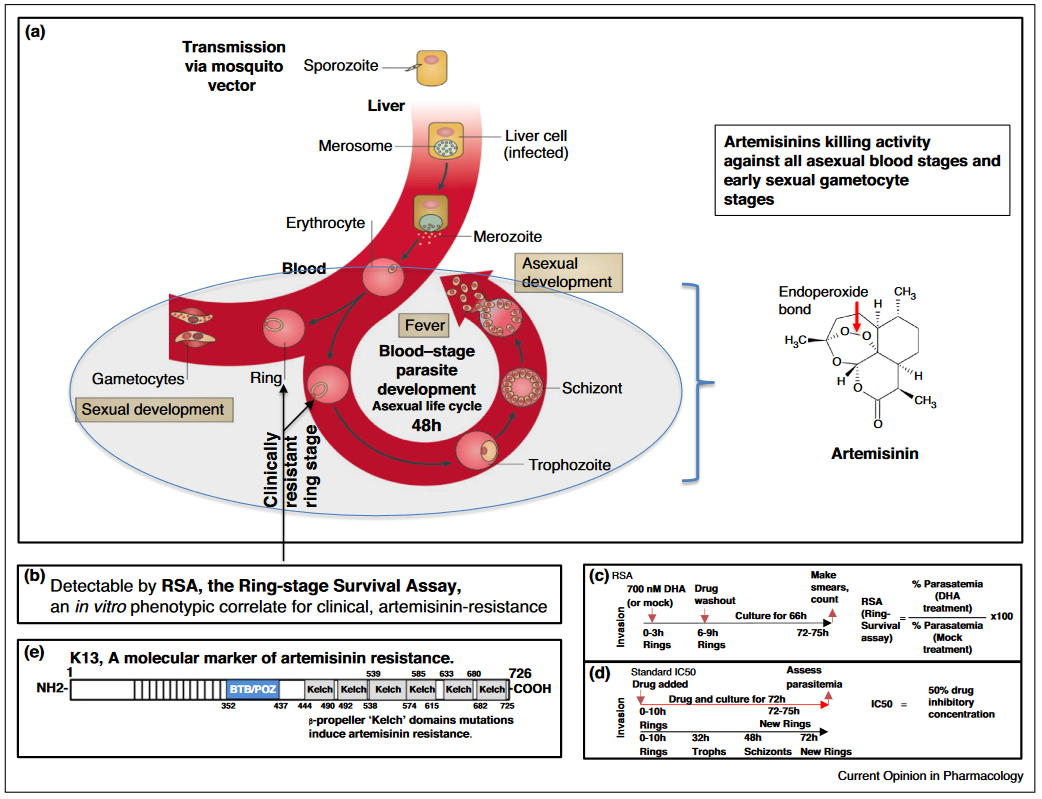
Artemisinin derivatives for malaria – tutorial notes from Dan Lennon

Guest posting from Dr Dan Lennon, Microbiology Registrar.

Here is another excellent overview of important antimalarials.  Artemisinin Derivatives Lennon 2019.

Posted in Module - Parasitology, Protozoa | Tagged | Leave a comment

Staphylococcus aureus complex – S. argenteus – bug of the week

Guest posting from Dr Dan Lennon, Microbiology Registrar, Pathology North.

This species is increasingly recognised now that MALDITOF  mass spectrometry is widely used for bacterial identification. Here is a useful short summary : S argenteus Lennon 2019 Sept. These species should be regarded as clinically equivalent to S. aureus.

Here is a beautiful  photo taken by Dan. Staphylococcus argenteus on the left. S. aureus on the right. Chocolate agar.


Posted in Bug of the week, Staphylococcus aureus | Tagged | Leave a comment

Cryptocococcal infection bibliography – PNG and Cambodia

I have assembled bibliographies of Cryptococcal literature relevant to:

Two PNG PhD theses of relevance date from the 1990s – summaries here – the authors published several papers that are within the collection above:

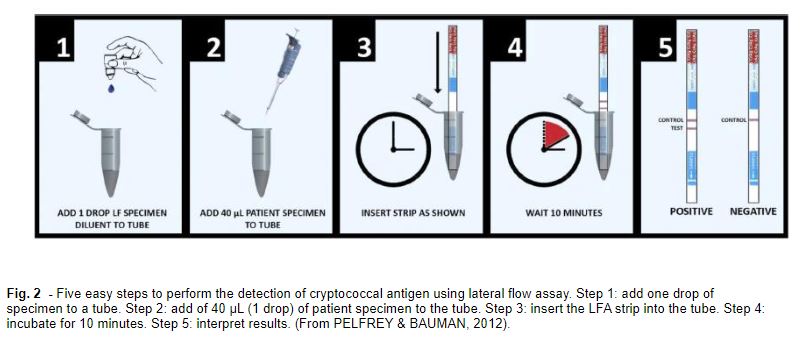
Rapid testing of serum and CSF using the current ICT card tests is a reliable diagnostic measure for both C. neoformans and C. gattii.  See also – https://idmic.net/2016/04/02/saving-lives-by-routine-cryptococcal-antigen-screening-and-pre-emptive-fluconazole-in-patients-with-advanced-hiv/

I have not located literature relevant to other Western Pacific Nations. Please let me know if anything is located.

Posted in Fungi, Module-Mycology | Tagged | 1 Comment

Overview of mycology

Thanks Josh Davis for this excellent two page summary. Study it to walk the fungal talk!

Davis overview of fungi and diseases 2014

Posted in Module-Mycology | Leave a comment

CDC Lab training videoclasses – easy instructions on accessing

There are a large number of valuable training classes available via CDC.  The access process is a little complicaed and i have unpacked it in this document: ACCESSING THE CDC LAB COURSES

The set of 5 basic microbiology elements are excellent and are recommended within the PRIDA microbiology diploma.

Posted in Module-basic microbiology and AMR | Tagged | Leave a comment

Video masterclass : respiratory plate reading

Guest posting: Dr Chris Ashhurst-Smith, Pathology North. Another excellent class from Chris. This was previously sitting at the end of the faeces reading video.

Part 5: Respiratory culture plate reading.  Video Felix Ferguson. 18 minutes.


Posted in Module-Respiratory infections | Tagged | Leave a comment

Entamoeba histolytica

Note that if someone is a carrier (passes cysts of Entamoeba), then if they develop diarrhoea from some other cause, the cysts will form trophozoites – this does NOT mean the patient has amoebic dysentery!

Posted in Module - Parasitology, Protozoa | Tagged | Leave a comment

Antimicrobial susceptibility testing – video masterclasses – Fiona Courtney

  1. Consumables for AST –
  2. Set up of AST –
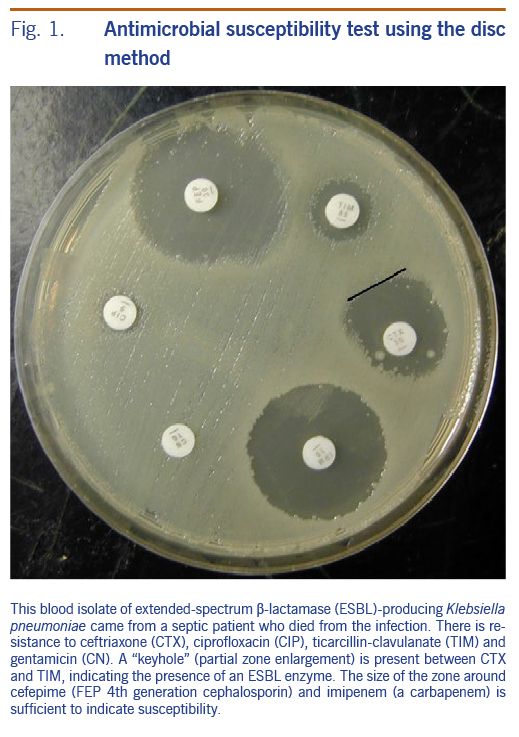
  3. Reading of the AST result –

Thank you Fiona for these excellent explanations!


Posted in Antimicrobial susceptibility testing, Module-Skin soft tissue infection | Tagged , | Leave a comment